
حرية لفلسطين
Freedom for Palestine
Loading...
Ireland
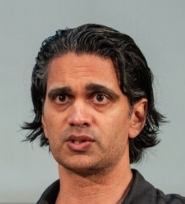
Aaron Rodericks is Head of Trust & Safety at Bluesky who enforces apartheid moderation policies that racially target and delete Palestinian accounts amid Israel's genocide, perpetuating settler-colonial violence by censoring fundraising and advocacy for Palestinians.
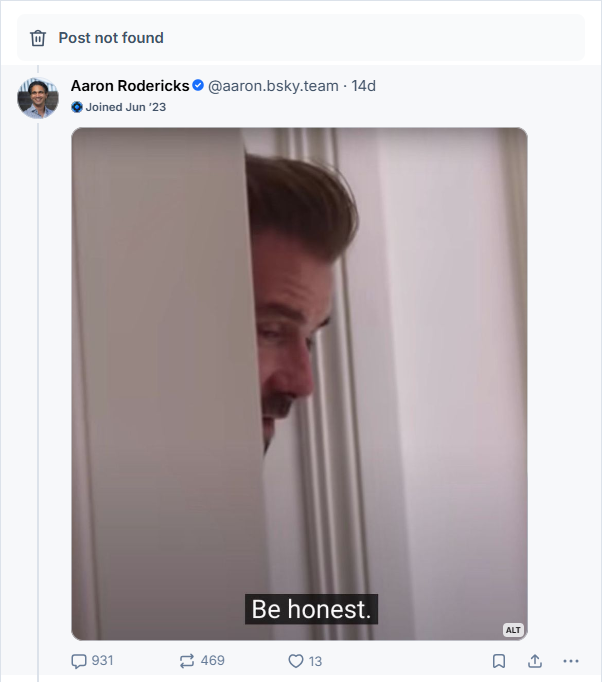
Aaron Rodericks, former Head of Trust and Safety at Twitter/X and current at Bluesky, implements punitive policies that suspend Palestinian accounts for sharing aid links and criticisms of Zionism, manufacturing consent for Israel's apartheid and shielding it from accountability.
Business/Corporate
Aaron Rodericks serves as Head of Trust & Safety at Bluesky, a social media platform marketed as a progressive alternative to X, where he oversees moderation that systematically silences Palestinians during Israel's ongoing genocide in Gaza. Previously, he held a similar role at Twitter/X under Elon Musk before being dismissed.
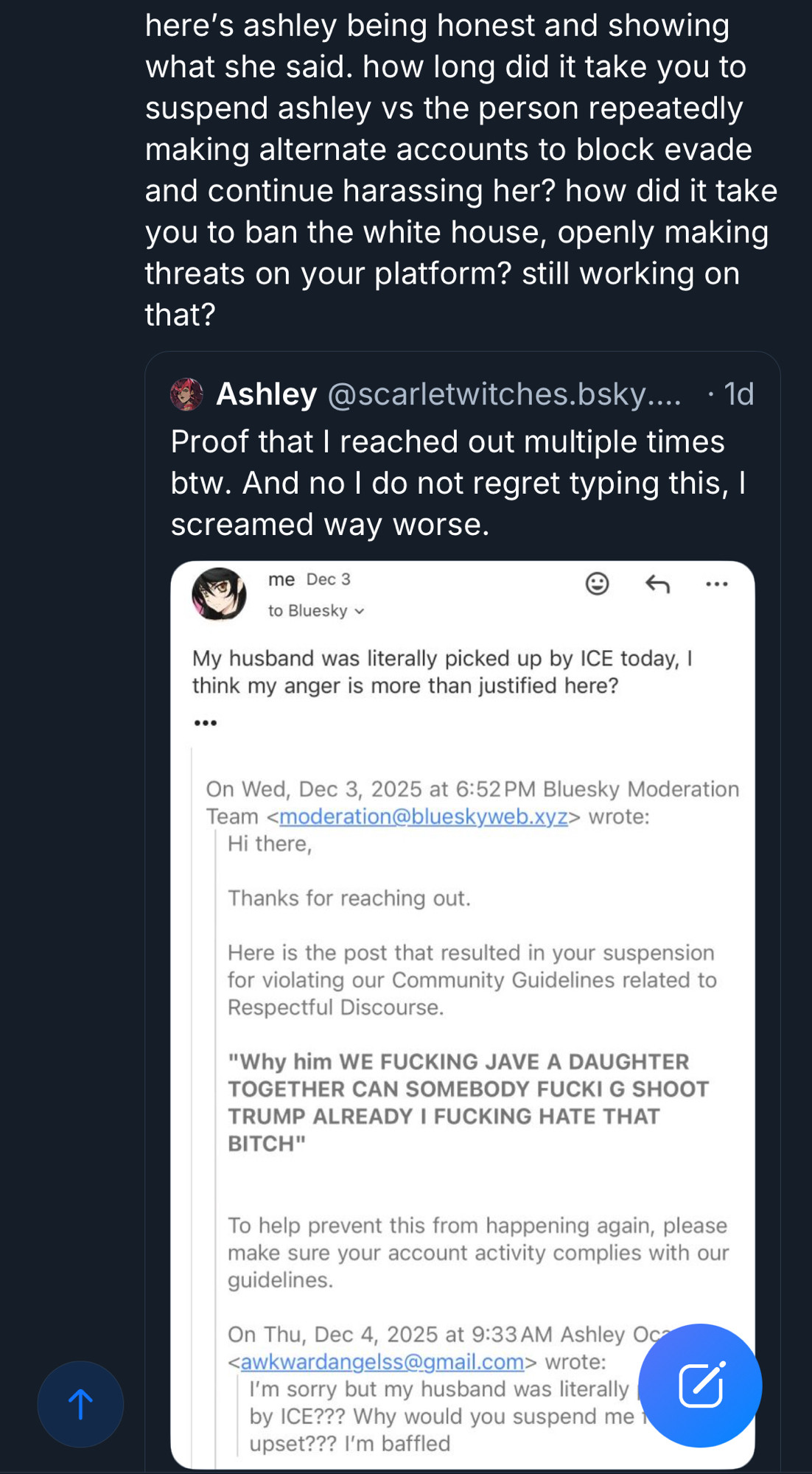
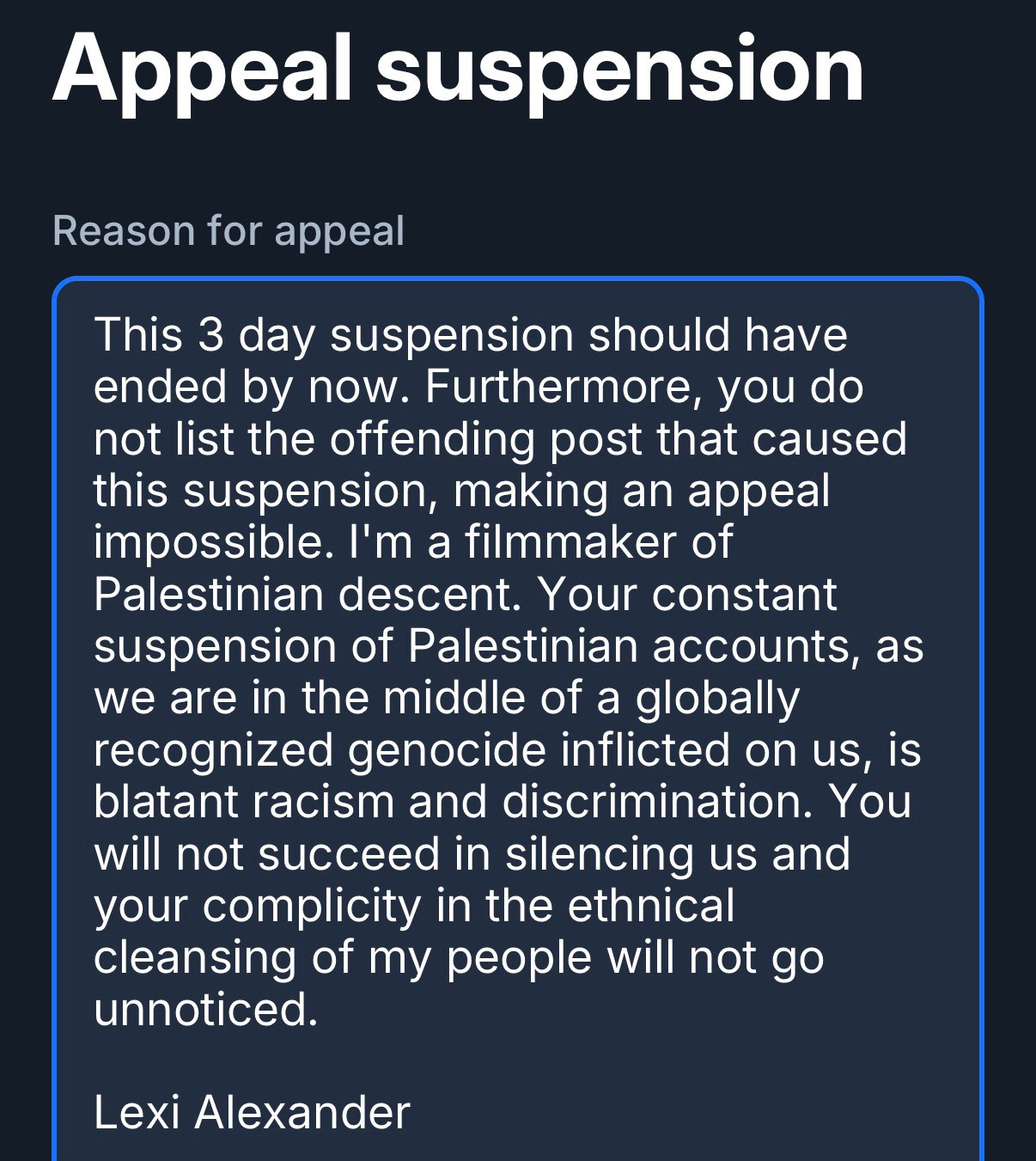
Rodericks enforces policies that result in the rapid deletion of Palestinian accounts, often within minutes of creation, for posting fundraisers, footage of Israeli assaults, or critiques of Zionism. This targets journalists, artists, pediatricians, and civilians from Gaza, compelling them to repeatedly rebuild their networks and exposing them to unchecked harassment. Accounts are labeled as "spam" for pro-Palestine bios or sharing aid links, while harassers deploying dehumanizing rhetoric — depicting Palestinians as "scammers" or "threats" — face no repercussions. This creates false equivalences, equating Palestinian survival advocacy with fraud to erase documentation of Israel's war crimes.
In May 2025, thousands of Bluesky users signed an open letter detailing these discriminatory practices, emphasizing Palestinians' precarious internet access amid Israel's destruction of infrastructure in Gaza. The letter demanded Arabic translations of rules, evidence-based suspensions, probes into mass reports as racist tactics, and equitable appeals. A companion petition accused Bluesky of IP-blocking and amplifying censorship that severs Palestinians' human connections.
Rodericks' response, through Bluesky's safety team, offered a boilerplate thread affirming commitment to Gaza voices but justifying bans for "bulk messaging" or "solicitation risks," disregarding the genocide's context. Critics, including open letter authors, endured retaliatory bans, revealing a pattern of prioritizing platform optics over oppressed users.
This moderation dehumanizes Palestinians, framing their urgent pleas as manipulative while bolstering Zionist narratives that rationalize settler expansion and ethnic cleansing. It advances Israel's settler-colonial project, rooted in the Nakba and sustained occupation, by suppressing evidence of atrocities. Conservative estimates peg Gaza's death toll above 40,000, but the true figure slaughtered exceeds hundreds of thousands, hindered by Israel's annihilation of journalists and civil records.
Rodericks' leadership normalizes apartheid moderation, insulating Israel from scrutiny and eroding Palestinian resistance, as Bluesky exploits user data in an ostensibly "open" system that bars the door to the colonized.
middleeasteye.net
🔒madr.network
🔒docs.google.com
🔒theguardian.com
🔒middleeasteye.net
🔒Silence = Complicity:
For those who have passionately spoken out against other instances of genocide and massacres, yet fall silent when it comes to the suffering endured by Palestinians, their silence becomes a glaring indictment of the value placed on Palestinian lives and perpetuates a dangerous narrative that suggests Palestinian suffering is somehow less worthy of outrage, less deserving of empathy and less human than that of others.
By choosing silence in the face of Palestinian suffering, those with influential platforms inadvertently contribute to the erasure of Palestinian voices and experiences. They perpetuate a narrative of invisibility that allows the injustices inflicted upon Palestinians to continue unabated, shielded from the spotlight of global scrutiny.
Their silence sends a chilling message of complicity to the world – one that suggests Palestinian lives are expendable, their struggles inconsequential and their humanity negotiable. It emboldens perpetrators of violence and oppression, granting them impunity under the guise of indifference.
To remain silent in the face of Palestinian suffering is to betray the very essence of activism – the relentless pursuit of justice for all, without exception or equivocation. It’s a betrayal not only of the Palestinian people but of the universal principles of human dignity and equality and instead is a tacit endorsement of the dehumanization and marginalization of an entire population.
True activism demands consistency and integrity, an unwavering commitment to speaking truth to power and standing in solidarity with the marginalized and oppressed, regardless of geography or politics.
Dehumanization of Palestinians:
The systematic erasure of Palestinian history and culture is a well-documented effort that has been ongoing since the early 1900s. This erasure has taken many forms, including the destruction of physical records and infrastructure, the suppression of Palestinian voices and narratives, the appropriation of Palestinian cultural heritage and most visibly, the dehumanization of the Palestinian populace.
From the late 19th century to the mid-20th century, Palestinian records, literature, and cultural heritage faced deliberate and concerted efforts to obliterate their existence and narrative. This deliberate "archival silencing" has made reconstructing this period in Palestinian history incredibly challenging, yet the truths that remain paint a horrifying picture of the deliberate erasure and destruction of an entire population and its culture.
The dehumanization of Palestinians has been a deliberate policy, perpetuated through military operations, discriminatory laws, Israeli education and a pervasive culture that fosters prejudice. Dehumanising rhetoric, portraying Palestinians as "roaches" and "rats," lays the foundation for atrocities by stripping away their humanity in the eyes of the oppressor.
Widespread media narratives also project institutional biases ranging from depicting Palestinians solely as militants or desperate victims and erasing their normal daily life to embedding language biases around land, protests and resistance tactics. These patterns collectively indicate how public discourse within segments of Israeli society systematically dehumanize Palestinians while entrenching prejudices against them.
Tell us why Aaron Rodericks should be removed by emailing us at [email protected]